Okay, so check this out—wallets are weirdly personal. Wow! You can use the same seed phrase across ten apps and still feel unsafe. My instinct said “go with the big name,” but then I tried a less flashy browser extension and my whole workflow changed. Initially I thought bigger meant safer, but then realized that interface design and multi-chain handling matter just as much as brand recognition.
Here’s the thing. Most folks think wallets are either “secure” or “not secure”—end of story. Hmm… that’s simplistic. On one hand, security primitives like seed phrases and hardware support are crucial. On the other hand, never underestimate ergonomics: how quickly you confirm a tx, how clearly gas fees are shown, whether you can manage multiple chains without uninstalling your life. That friction adds up fast.
Seriously? Yes. I’ve seen people lose coins because a wallet made a tiny UX assumption. Shortcuts that look clever to designers end up being dangerous in real use. Something felt off about automatic network switching the first time I saw it. My first impression was “neat,” but after a dozen swaps and a mis-sent token, I changed my tune. Actually, wait—let me rephrase that: network control matters more than flashy automation.
Let me walk you through what I care about when picking an Ethereum browser extension that also claims to be multi-chain. Quick list: clear chain switching, per-dApp permissions, external hardware compatibility, human-readable contract data, and good quirks like transaction simulation. Short bursts of clarity are huge when you’re moving funds. Developers can add features forever, but if the basics are obfuscated, you’re doomed.
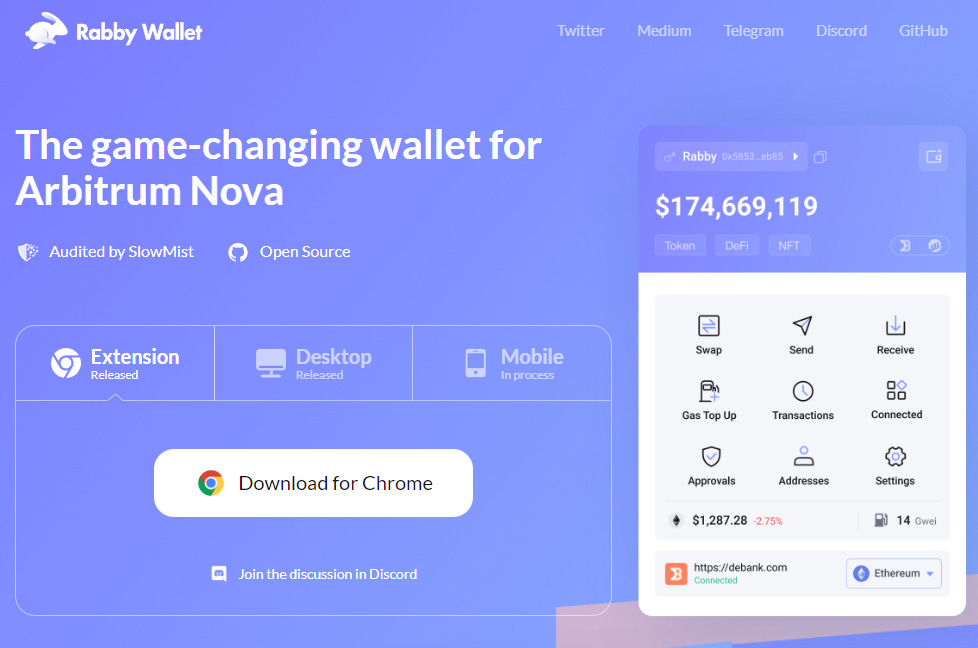
How a browser extension wallet becomes a daily driver
Whoa! For me a wallet became a daily tool when it stopped getting in my way. I wanted to click, approve, and continue—no babysitting mio. (oh, and by the way… I use a second device for bigger trades). At first I tested it with small transfers only. Then I started using it to interact with DeFi apps across Ethereum, BSC, and a couple of EVM-compatible chains. My instinct kept flagging transactions that looked off. That saved me from a bad approval once—huge win.
Now some concrete signs a wallet is worth trusting. Medium-length explanation: clear permissions, visible nonce, easy gas control, and audit trails that you can actually read without a PhD. Longer thought: if it supports hardware wallets and lets you segregate accounts per chain while keeping a single readable interface, you’re in the sweet spot of convenience plus security, because you get both the protective custody of hardware and the speed of a browser extension.
I’ll be honest—I’m biased toward wallets that force me to think twice about approvals. This part bugs me: too many extensions show a “Confirm” button with zero context. That needs to change. If you want a practical starting point that balances UX and security without being a full-on developer tool, give a newer extension a shot and test it with small amounts first. If it saves you one bad transaction, it’s paid for itself.
Check this out—if you’re interested in trying a polished browser extension that prioritizes multi-chain clarity, you can download it here: https://sites.google.com/cryptowalletextensionus.com/rabby-wallet-download/
On-chain complexity is a real headache. Long explanation: as you add layer-2s, sidechains, and EVM compatibles, the wallet must present gas and chain differences in digestible ways. Short: show the gas in dollars. Medium: show the safety level of the contract call. Longer: provide a fallback or simulation so users can see likely failure modes before they hit confirm, because on-chain errors mean real lost time and sometimes lost funds.
Oh—some caveats. I don’t know everything. There are limits to what an extension can protect you from. Social engineering and phishing remain dominant threats. Also, browser environments aren’t the bastions of security that cold storage is. On one hand, extensions are super convenient. On the other, they increase your attack surface if you install sketchy add-ons or click suspicious links. On balance, though, a well-designed extension paired with good habits is the sweet compromise.
Personal anecdote: I once had to explain to a friend why their token transfer stalled. Short version: wrong chain, wrong token contract, and panic. Medium: we used the wallet’s transaction history and nonce view to untangle the mess. Long: by walking through each pending tx, comparing chain IDs, and re-broadcasting with a corrected nonce, we recovered the transaction flow. It took patience, and it wasn’t pretty. But the wallet’s debug info made recovery feasible.
What I want you to take away. Quick: don’t trust UX alone. Medium: test critical flows and try hardware pairing. Longer: make backups, verify download sources, and cultivate the habit of reviewing approvals—your future self will thank you. I’m not 100% sure any wallet is perfect. There will always be trade-offs. Still, prioritizing transparency and control reduces your risk materially.
FAQ
Q: Can a browser extension really be safe for large sums?
A: Short answer: yes, with caveats. Pair it with a hardware wallet for big holdings. Also use separate accounts for day trading versus cold storage. My rule of thumb: anything you can’t afford to lose goes on a hardware-signed account. The extension should make that pairing simple and obvious.
Q: How do I avoid network mix-ups?
A: Keep labeling consistent and check chain IDs if you’re unsure. Use wallets that show both the chain name and its common alias (e.g., “Ethereum Mainnet (ETH)”). If a wallet auto-switches chains, be skeptical—confirm it’s doing what you expect. Simple habit: pause and read the popup before you click.
Q: Is one-click wallet setup safe?
A: Convenience is seductive. One-click setups are fine for experimenting, but for real use you want a seed backup and optional hardware support. Back up your seed phrase offline, double-check the download source, and consider creating a low-risk hot account for daily use.